


A regular dental cleaning, also called a prophylaxis, is a preventive treatment that helps keep your teeth and gums healthy. It focuses on removing plaque, tartar (hardened plaque), and stains from the surface of your teeth.
While brushing and flossing at home are essential, professional cleanings reach the areas that are hard to clean on your own. This type of cleaning is recommended for patients with healthy gums and no signs of gum disease. It’s one of the best ways to maintain a fresh, healthy smile.
Regular Cleanings are Important
Regular cleanings do more than just make your teeth look and feel clean. They play a key role in preventing cavities, gum disease, and bad breath. Even with good home care, plaque and tartar naturally build up over time. If this buildup isn’t removed, it can irritate your gums and eventually lead to more serious problems like periodontal disease.
Cleanings also allow your dentist to spot early signs of dental issues before they become painful or expensive to fix. In short, professional cleanings are one of the simplest ways to protect your smile for years to come.
What Happens During a Regular Cleaning?
1. Examination
Before starting, your dentist or dental hygienist examines your teeth and gums. This quick check helps identify any problem areas, like early signs of cavities, gum inflammation, or tartar buildup.
2. Scaling
Using special instruments, plaque and tartar are gently removed from the teeth, especially around the gumline and between teeth where toothbrushes can’t always reach. This step keeps gums healthy and helps prevent gum disease.
3. Polishing
After scaling, your teeth are polished with a special paste that smooths the tooth surface. This not only removes surface stains but also makes it harder for plaque to stick to your teeth in the future.
4. Flossing and Rinse
Your hygienist will floss between your teeth to ensure all areas are clean, then rinse your mouth to remove any leftover debris. This leaves your mouth feeling fresh and clean.
5. Fluoride Treatment (Optional)
In some cases, a fluoride treatment is applied at the end of the cleaning. This strengthens tooth enamel and helps protect against cavities until your next visit.
Ultrasonic Cleanings
Ultrasonic cleaning, also known as ultrasonic scaling, is an alternative to traditional manual methods of removing plaque from your teeth. An ultrasonic cleaning device operates by sending low ultrasonic vibrations in the unit’s hand-held wand, causing the tip to vibrate faster than the speed of sound. The device is also accompanied by a steady stream of water that emerges near its tip, so that the tool can wash away debris without the risk of overheating.
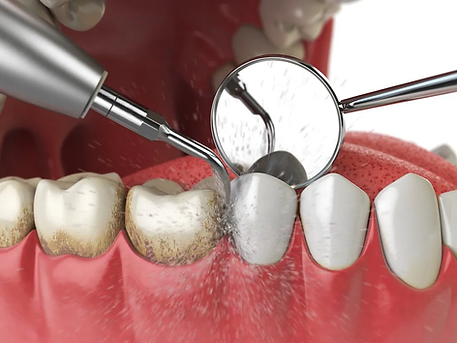
With these simultaneous functions targeted along your gum line and teeth, ultrasonic cleaning is able to blast away the stubborn substances that have hardened on your teeth over time, such as tartar and plaque. The procedure is quick, easy, and painless, and has many benefits over traditional scaling.
How Often Should You Get a Regular Cleaning?
Most patients should visit their dentist for a cleaning every six months. However, your dentist may recommend more frequent visits if you are at higher risk for dental problems, such as if you have a history of gum disease, frequent cavities, or certain medical conditions. Staying consistent with your cleanings is key to avoiding more complex treatments down the road.
How to Care at Home After a Cleaning
After your regular cleaning, you’ll want to maintain the results by keeping up with daily oral hygiene. Brush your teeth at least twice a day with fluoride toothpaste and floss once a day to clean between teeth. Limit sugary snacks and drinks, as these can contribute to cavities and plaque buildup. Drinking water throughout the day also helps wash away food particles and keeps your mouth fresh.

If you want to keep your smile bright, consider limiting coffee, tea, red wine, and tobacco use, which can stain teeth. Regular cleanings combined with good home care create the best protection for your smile.
Regular cleanings vs Deep Cleanings
A regular cleaning is a preventive procedure that removes plaque and tartar from the surface of your teeth and above the gumline. In contrast, a deep cleaning, also known as scaling and root planing, goes further to treat gum disease by removing plaque, tartar, and bacteria from below the gumline and smoothing the roots to help gums reattach to teeth.

While regular cleanings are part of routine oral care, deep cleanings are necessary when signs of gum disease, such as bleeding gums or bone loss, are present. Understanding the differences helps you maintain optimal dental health and prevent serious oral issues.

